
Finding Elko Residents Through Records
No single public roster lists everyone in Elko. What a good result looks like is a dated link between a person and a place. The best starting point depends on the question. Property work begins with a street or parcel number. Recorded instruments call for an exact name, while historical research leans on a year or an institution. The County Recorder, Assessor, Clerk, courts, Library, and Museum each hold one piece of the trail. An ownership record never proves the owner lives on the parcel, and a newspaper mention is not a current address.
Keep boundaries and postal labels separate too. Elko is the county seat, so a county index can reach people and parcels far outside city limits. Save your check date. A careful Elko residents directory search also records the indexed spelling and notes whether a fact came from an image, an index alone, or an inference drawn from two sources. That discipline keeps honest leads apart from guesses.
- Normalize an address with the USPS ZIP Lookup, then preserve the returned postal city and ZIP separately from a city-limit claim.
- Run an address, owner name, or APN in the Elko County Assessor search to identify the parcel and current assessment clues.
- Use the owner, APN, legal description, or instrument number in the Recorder Landmark index for dated document roles.
- For historical questions, take a surname, street, and year range to the Library or Museum rather than treating a portal no-hit as a final answer.
- Ask the actual custodian for a specific existing record when an older book, public image, or restricted file is not online.
Note: A result earns more weight when it carries a source date, a stated role, and a second independent connection to Elko.
Elko Resident Record Custodians
Three offices anchor the Elko residents directory trail. The Recorder preserves recorded instruments along with marriage-index material. The Assessor ties current property facts to a parcel and its situs location. The County Clerk takes public-record requests and routes election, marriage-license, board, and other Clerk-held matters. Each office answers a different question. Label a name's role rather than carrying it from one source to another. For a fuller sequence, use the Elko street directory.
Clerk weekday hours run 9:00 a.m. to 5:00 p.m. That schedule holds through the lunch hour. Recorder and Assessor materials list weekday hours of 8:00 a.m. to 5:00 p.m., so confirm hours, contact addresses, and any cost before a trip or request.
Elko Assessor Search Fields
The Assessor's advanced form is the practical address-side start for an Elko residents directory lead. It accepts owner and location searches. Subdivision and section, township, range controls refine it further. Parcel, tax-district, use, zone, acreage, and construction filters trim a broad name, as do seller, buyer, price, and instrument options. No ZIP field appears, so treat a postal ZIP as outside the Assessor's filters.
| Elko search group | Captured fields | Useful result |
|---|---|---|
| Owner and location | Owner name, street-number range, street name | Parcel and location lead |
| Parcel data | APN, subdivision, tax district, use, zone | Parcel identity and context |
| Sale data | Seller, buyer, price, date, instrument | Transfer clue to verify at Recorder |
Study the official Assessor advanced-search screen first. See each field before you search. A current owner or mailing line may differ from the situs, or physical, address, and the Assessor speaks to assessment, ownership, and parcel size rather than title or residency.
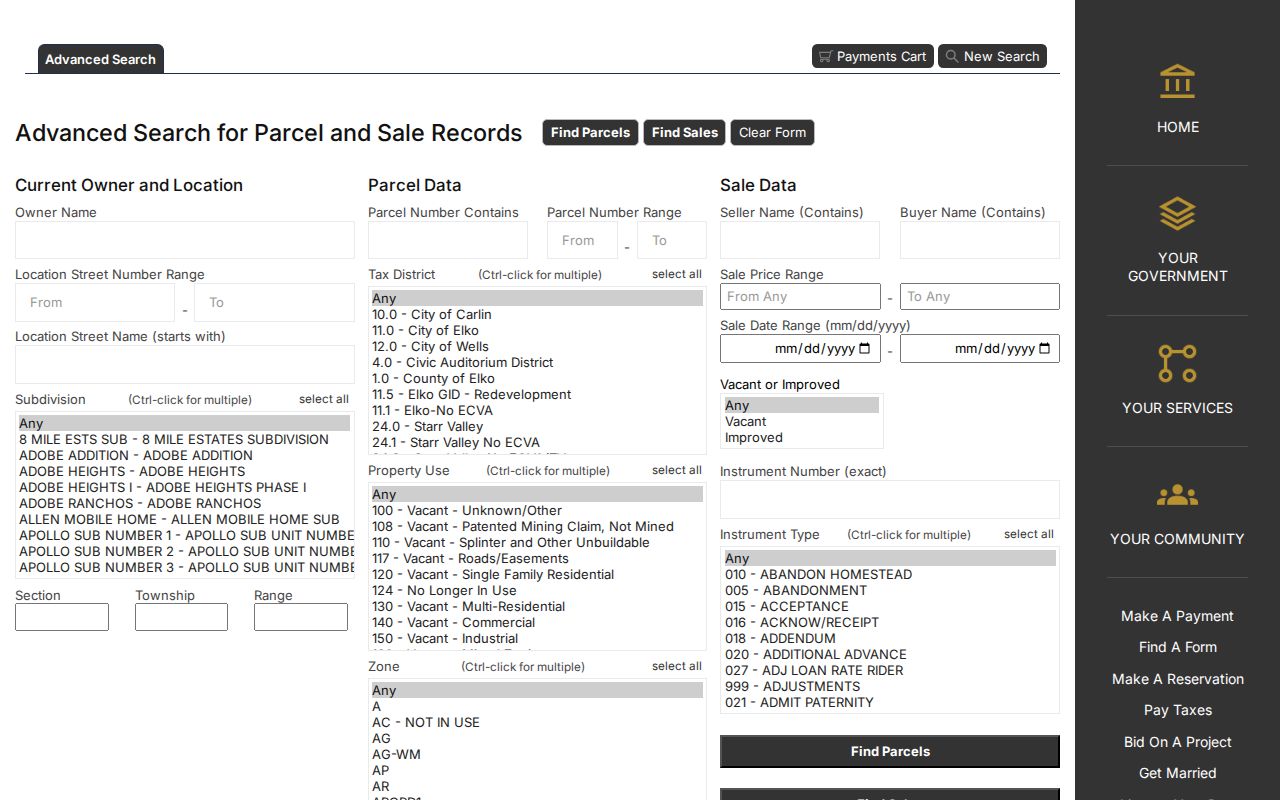
Owner, location, parcel, and sale fields identify the next official record, not the person inside. No field confirms occupancy.
Elko Recorder Names and Parcels
The Recorder's Landmark index ties people to recorded instruments. Its public search modes cover name, document, book and page, consideration or tax stamp, parcel ID, record-date range, instrument number, and legal description. The online index begins in 1984. It updates live. Images run from 1993 forward when available, filed maps reach back to 1869, and the marriage index starts in 1960.
Read each instrument for its actual role. Grantor and grantee label the parties to a transfer. A trustee, lien claimant, borrower, or business name does not show that anyone lived on the property. Open line items for added names, then keep the recording date, document type, legal description, and image availability. The Recorder cautions that its index is not guaranteed complete or error-free.
- Parcel or APN
- A parcel identifier used to join assessment, map, and recorded-document systems.
- Index
- A finding aid that points to a record, not automatically the underlying image.
- Grantor and grantee
- The party transferring an interest and the party receiving it in a recorded instrument.
- Situs address
- The physical property location, which can differ from a public mailing address.
The Landmark search page shows the available routes and its public-use disclaimer.
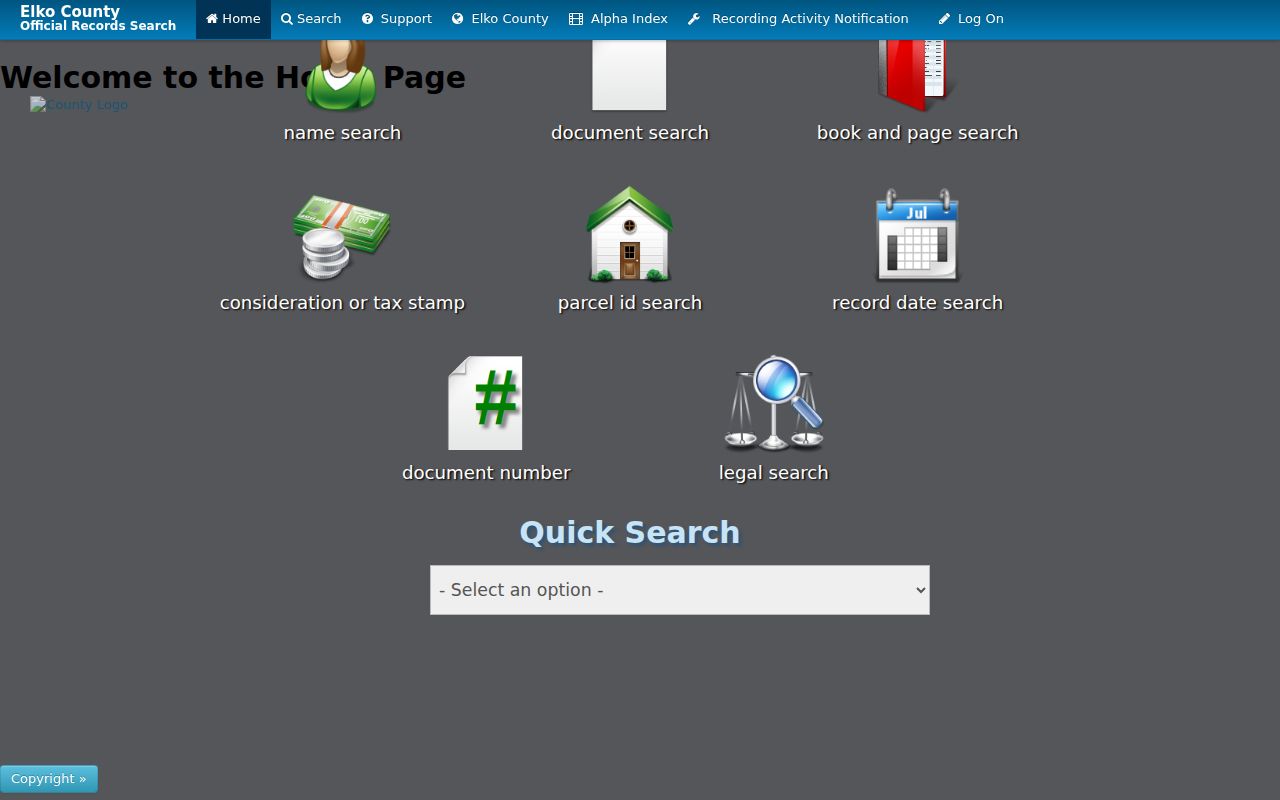
Older additions call for Recorder Alpha. Its section, township, range, and addition controls handle them. Index-book additions run through 1989; later additions live only in the computer index.
Note: An instrument links people to a documented transaction, not to a present household.
Current Elko Resident Sources
Current Elko resident information sits scattered across official systems and public organizations. Each source supports a limited claim. The table separates a property owner from a registered voter, a court party, or a civic participant. Begin with the custodian who holds the exact record.
| Elko source | What it can confirm | Custodian | Access path |
|---|---|---|---|
| Assessor parcel search | Owner, location, parcel, sale clues | County Assessor | Public advanced form |
| Recorder Landmark | Instrument party and recording facts | County Recorder | Public index and available images |
| Voter list route | Permitted registration-list fields at a date | County Clerk | Request under NRS 293.440 |
| Municipal search | Limited public case-search lead | Elko court and Clerk | Case, name, license, plate, or business modes |
| Library and Museum | Phonebooks, newspapers, maps, files, and history | Local repositories | Reference request or appointment |
Confirming one person across records takes discipline. The Elko resident lookup path keeps names, dates, addresses, and roles from blurring together.
Elko Voter List Access
Nevada does not offer a general people finder through its voter system. The state's online lookup sits behind anti-bot and JavaScript controls. Some visitors never reach the search fields. For an actual list, NRS 293.440 points you to the County Clerk. Ask that office for a precinct, district, or county list. The Clerk's fee sheet dated July 1, 2024 lists one cent per name. It adds five dollars for CD or USB media. Confirm current charges before ordering, since fees change.
Privacy limits matter here. NRS 293.558 withholds Social Security numbers, driver-license data, and voter email addresses. A voter may also ask the state to withhold an address or phone number. The lawful route is a narrow request naming the geographic unit and the date. A blank or blocked screen is an access condition, not evidence about any person. The Nevada voter lookup is the official online starting point.
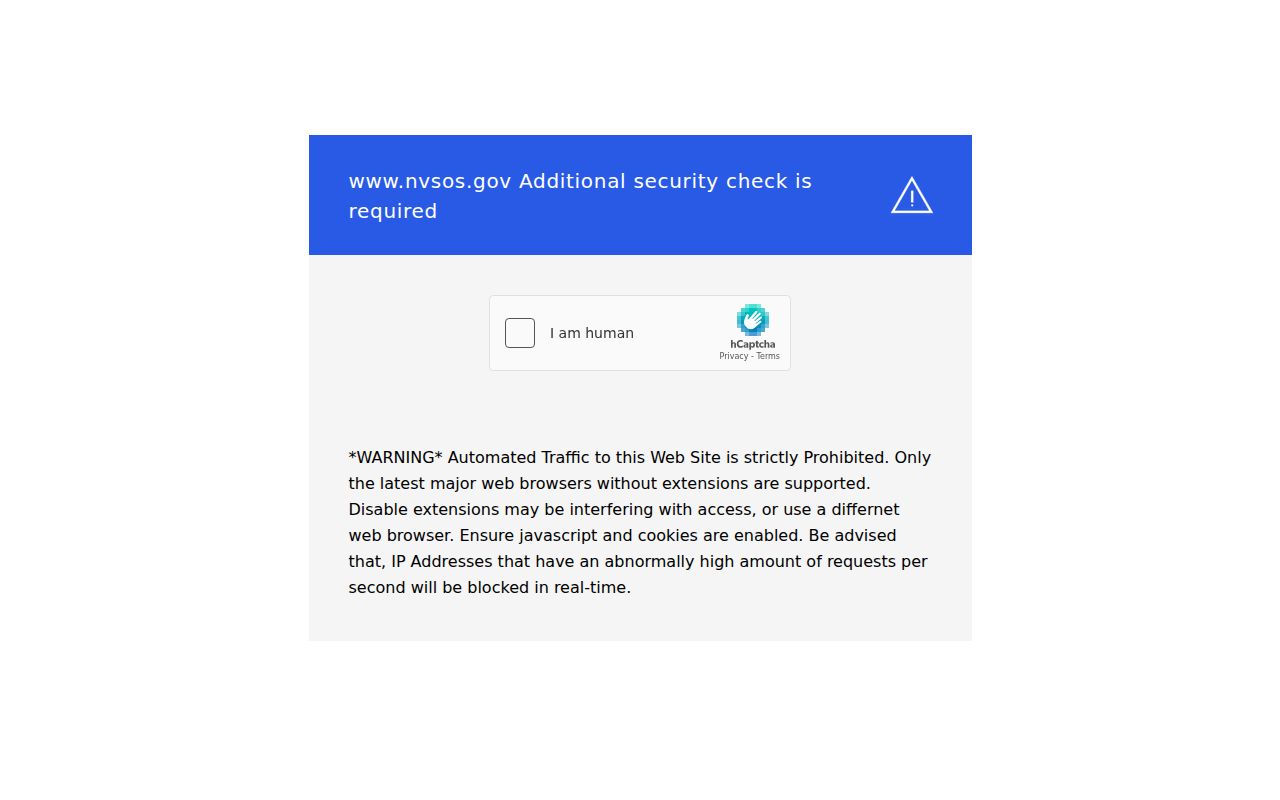
The state's online voter page carries those limits. The County Clerk remains Elko's documented route for a permitted list request.
Elko Record Proof Limits
A name match is only a lead. Never merge entries on a name alone. Use two independent anchors instead, such as an exact name plus a compatible address or parcel number, or a name with a unique instrument number and matching date. Preserve conflicts rather than smoothing them over. A mailing address, civic role, or business filing can explain why two records differ without proving either one wrong.
| High confidence | Exact name plus compatible address or APN and overlapping dates in two sources. |
|---|---|
| Moderate confidence | Exact name plus a unique instrument, case number, organization role, or relationship, but no address. |
| Low confidence | Surname or initial only, a directory index with no image, or a business address. |
Commercial people-finder services often combine records without showing the custodian behind a result. The date and role stay hidden too. That hides the context a researcher needs. Official Elko County sources take longer. They let a reader check the index, the image, the request route, and the limitation itself. The difference matters for family history, reconnecting with a classmate, estate research, or checking a property claim.
Elko Public Records Requests
An Elko record may not be online. In that case, ask the holding office for an existing, identified series. The Nevada Public Records Act, NRS Chapter 239, sets the framework. The Elko County form asks for contact details and a record description. It also asks for delivery choice, estimate method, maximum amount, signature, and date. It accepts online, fax, mail, or hand delivery.
The form notes that an estimate is supplied when cost exceeds $25. NRS 239.0107 generally calls for an acknowledgment or status update. It may also bring an estimate, clarification request, proper-custodian notice, or legal denial explanation. All of this happens within five business days. That is a status framework only. It does not promise the record itself arrives in five days. A narrow request with a date range, record type, and acceptable redactions moves faster. The Nevada Public Records Act is the controlling law for this route.
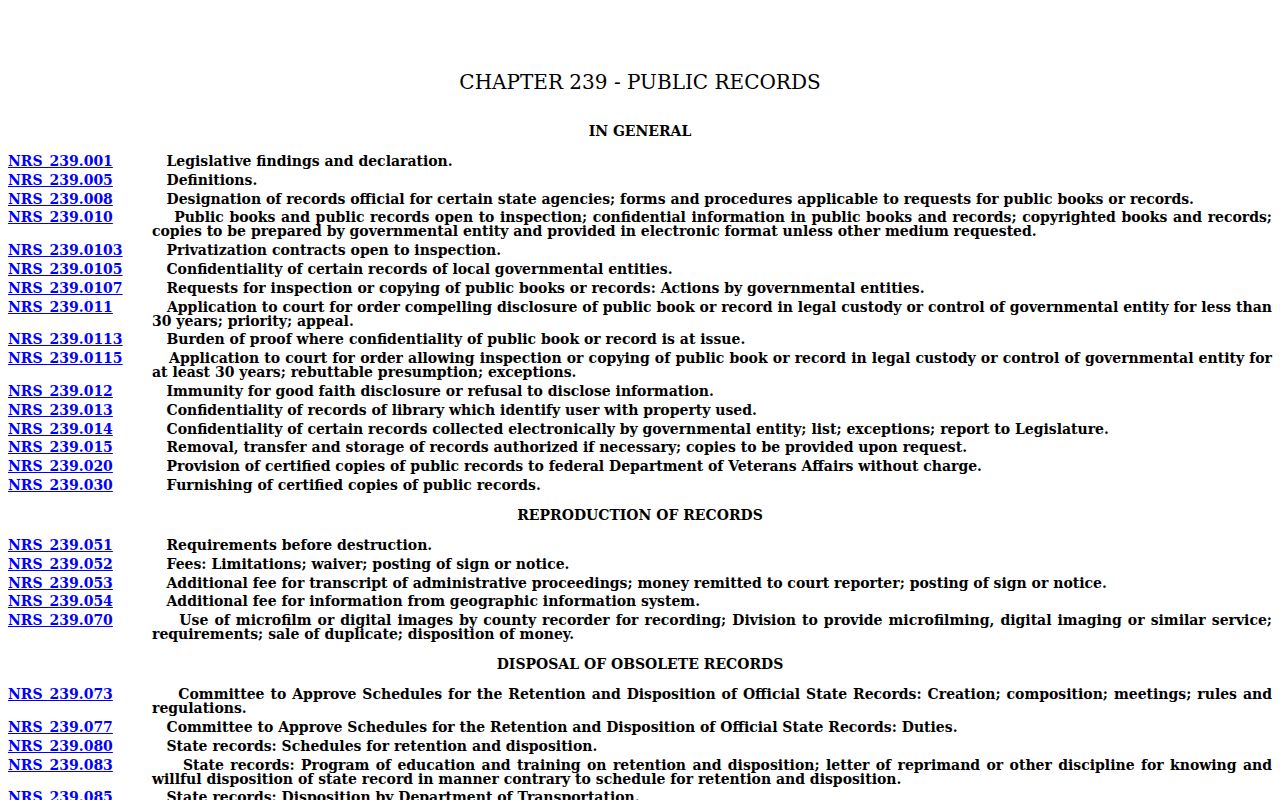
The statute sets the access framework, while the county form supplies the operational fields and delivery choices.
Elko County Records Since 1869
Elko County was created from part of Lander County on March 5, 1869. Elko became the county seat. That date shapes historical research. A family, land, or business record predating the county may sit under Lander County rather than a modern Elko label. County plan records note acceptance of a courthouse in January 1870, useful context when sorting early local material.
For land history, Recorder filed maps reach back to 1869. Older property work can require legal descriptions, book and page citations, addition names, or section, township, and range instead of a modern parcel number. Keep the jurisdiction and source date visible whenever a historical result joins an Elko residents directory record. The 1869 Nevada statute documents the county's formation.
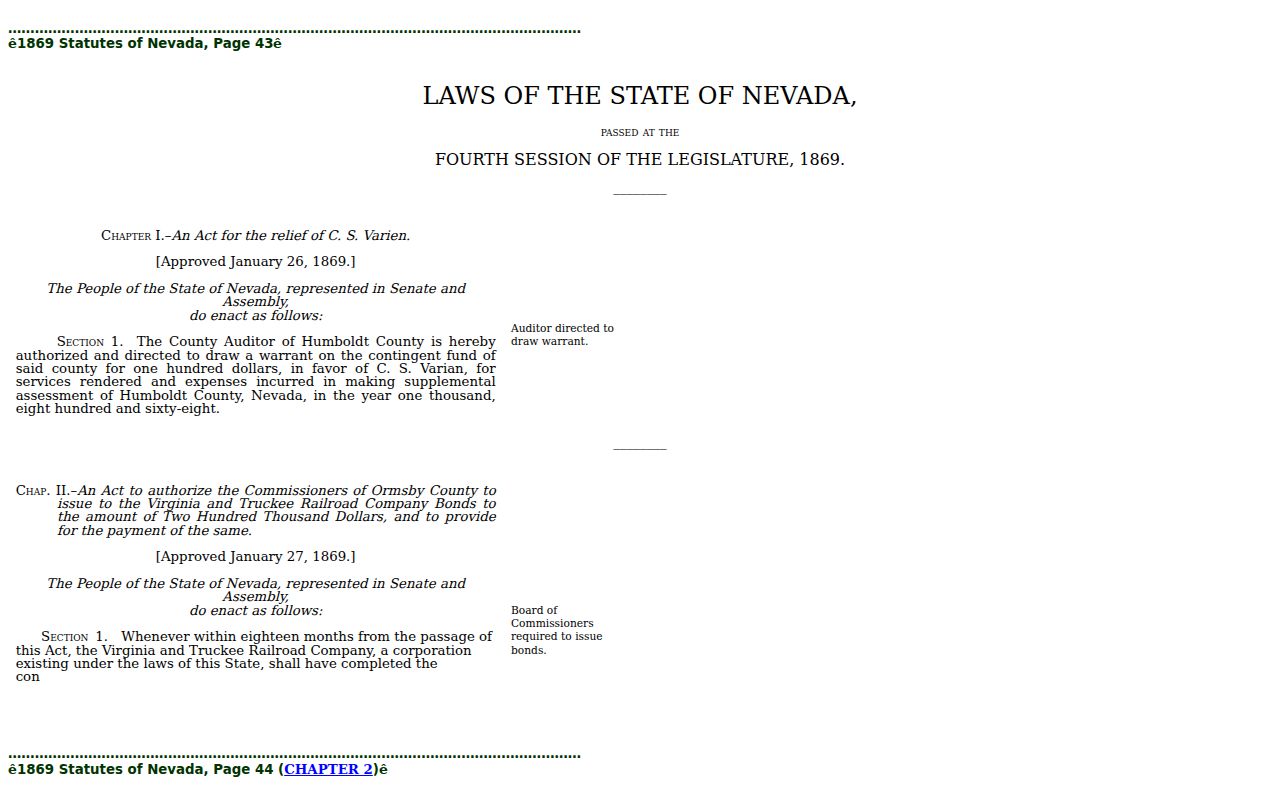
The formation record explains a common dead end. A pre-1869 search may need a predecessor-jurisdiction check rather than a broader Elko name search.
Historical Elko Resident Clues
Elko's historical shelf runs wider than any city-directory run. The Elko County Library holds local and area newspapers. It also keeps local and regional phonebooks, maps, atlases, microfilm, and mining material. Nevada collections, state documents, and vertical files round out the holdings. Its digital-archive description also confirms yearbooks, newspaper archives, oral-history projects, and related material. Give staff a surname, street, institution, title, and year range so the search stays bounded.
The Northeastern Nevada Museum Library & Archives adds newspapers, maps, letters, and photographs. Manuscripts, genealogy resources, and community-leader material are there too. Visits are appointment-only. Wednesday through Saturday research hours are listed as 9:00 a.m. to 5:00 p.m. A specific accession, map sheet, or issue date beats a broad request. It serves everyone sharing one surname far less well.
No official, publicly viewable Elko city-directory scan with a verified publisher, year, page, and sample entry exists online. The Elko city directory section keeps that limitation explicit. It also points to library and archive alternatives for past residents of Elko.
Elko Newspapers and Maps
Old newspapers tie a name, a street, and a date together in one place. Their gaps matter just as much. UNLV lists holdings of the Elko Independent, Daily Independent, Daily Free Press, Elko Free Press, Elko Chronicle, and Elko Post or Weekly Post. Digitized issues of the Weekly Elko Independent and Elko Independent cover 1875 through 1887. Read the page image, not just the OCR text. Names and addresses fool OCR software easily. The Library of Congress holds a verified Elko Sanborn map from August 1897. It has three sheets. A sheet can show a street, a block, a building label, or a nearby landmark. It will not name an owner. Nor will it prove a household lived there. Pair the map with a dated directory line before drawing conclusions. A newspaper notice, Recorder record, or library file works too. The Elko County Library resource page describes local-history material and reference access.
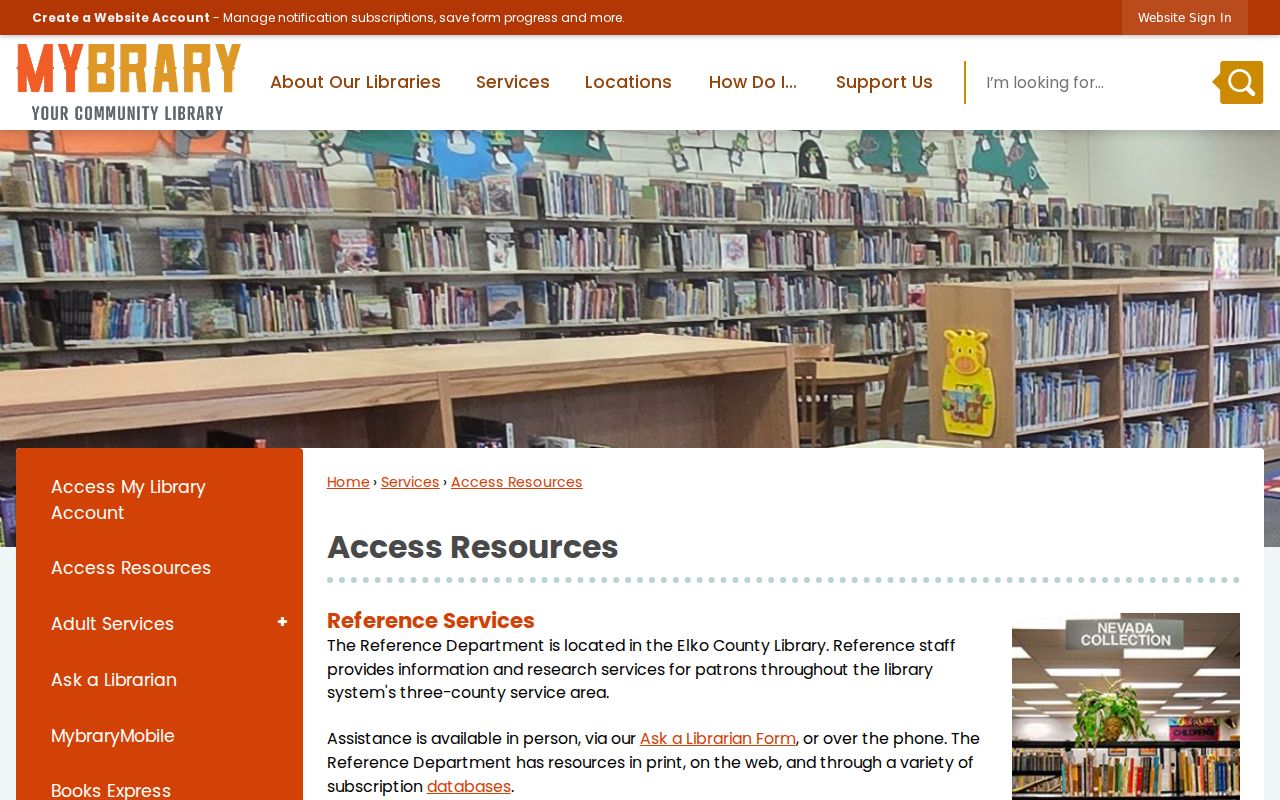
The library list runs wide. Newspapers, phonebooks, maps, microfilm, mining, and Nevada items appear. Note: A newspaper hit is a dated publication claim, so keep its title, issue date, page or image identifier, and scan status.
Elko Boundary Dates Matter
Postal geography and city limits are different things. A parcel can carry an Elko mailing address while sitting in unincorporated Elko County or a nearby community. USPS returns a postal standard. It does not state that a person or parcel sits inside city limits. For incorporation questions, lean on the City Charter, the recorded plat, the parcel's legal description, and dated annexation records instead. Elko City Council completed Annexation No. 1-24 in January 2025. The public material describes roughly 44.72 acres that had been outside the city. It also identifies APN 006-09U-001. That single change shows why a boundary date belongs with historical address work. Applying current city limits to an older record without checking invites silent errors. The City Council annexation record is the source.
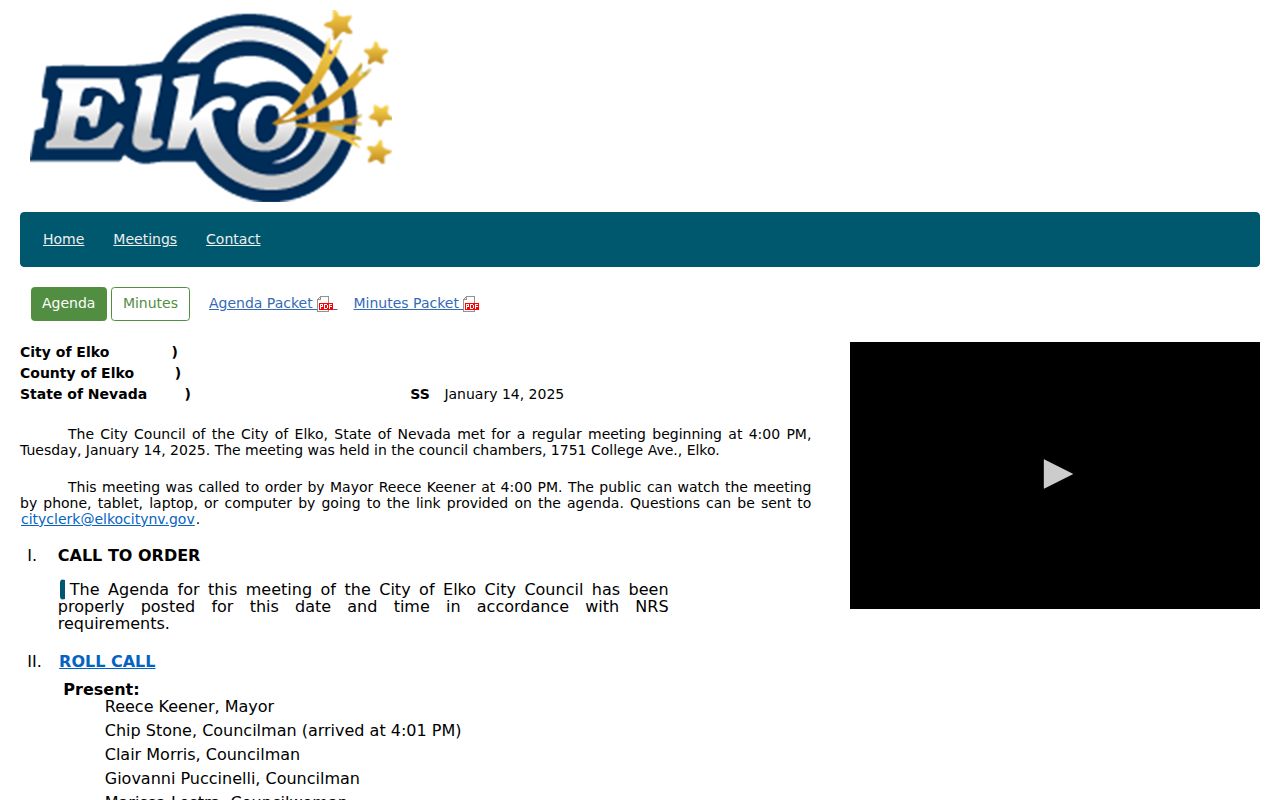
Agenda material gives a dated boundary reference. For a particular parcel, turn to the Assessor, the Recorder, and the City Charter.
Elko Restricted Resident Records
Some records stay public only in part. Nevada keeps birth records confidential for 125 years and death records for 50. Qualified-person rules apply before a certificate opens. Juvenile, sealed, expunged, and protected-party material can be withheld. Nevada's Confidential Address Program and Recorder protection statutes shield qualifying people as well. A missing record may reflect a restriction, a search gap, or a different custodian. Never copy protected identifiers, private contact information, victim addresses, or restricted vital and court details just because a form asks. Cite office, record type, date, and access condition instead. For an official certificate or the public portion of a filing, contact the custodian. Ask what can be released. The Nevada Confidential Address Program statutes chart one protection route.
Elko Portal Status and Rechecks
Live systems change. The County GIS viewer has at times reported its service and map layers unavailable. The state voter page and the Nevada ACIS court portal lean on JavaScript, which limits what a visitor can inspect. A blocked portal is not a dead end. Record the URL and the date, then fall back on an official route such as the Assessor, the Recorder, the Clerk, a public-record request, or library reference staff. Recent sources need dates too. Nevada S.A.V.E. replaced VINE in August 2025 for victim notification. It is a notification service only. That is not a resident, custody, or court record. Keep public-safety systems distinct from the property, court, and library evidence behind an Elko connection.
The registration route is a current-service reference. Treat it as no evidence of any person's residence or case.