
Elko Resident Lookup Records at a Glance
Different Elko records answer different questions. The Assessor and Recorder can connect a person to a parcel or instrument. A court index can establish that a public case exists, while a voter record is limited to registration information available under Nevada law. Vital sources are controlled by date and eligibility. Use the custodian that owns the fact, then preserve the record identifier and access date rather than turning a search result into a broad claim about a person.
| Record layer | Question it can answer | Official keeper | Access route |
|---|---|---|---|
| Parcel and recorded instrument | Ownership role, APN, legal description, or recording date | Elko County Assessor and Recorder Landmark | Online search, then Recorder office or a focused request |
| Voter registration | Permitted registration fields at a date | Nevada voter lookup and Elko County Clerk | Portal when accessible, or a Clerk list request under NRS 293.440 |
| Court case | Public case number, caption, event, or disposition | Nevada ACIS, municipal court, or Clerk | Online lead, court contact, or public docket request |
| Vital or marriage event | Whether an eligible verification or county certificate route exists | Nevada Vital Records, Recorder, or Clerk | Qualified request, verification form, or county copy route |
| License or entity listing | Official credential or filing role | Nevada licensing boards or the Secretary of State | Official online lookup, subject to each board's display |
Start with the strongest detail already in hand. An APN or instrument number is stronger than a name alone. A full name and an old street can lead to the Recorder, while a case number belongs with the court system. A marriage question normally belongs first with the county that issued the license. The resident lookup becomes more reliable as each source supplies a compatible date, address, role, or identifier.
Elko Resident Lookup Needs Two Anchors
Elko County records often hold people with the same or similar names. Do not combine them because a surname appears in more than one index. The research standard is two independent anchors, such as exact name plus APN, exact name plus a historic address, or exact name plus a court case number. A match is strongest when the sources also overlap in time. A deed may show a grantor or grantee, but that role does not establish occupancy. Likewise, an Assessor owner line may be current, historic, an entity, a trust, or an absentee owner.
Keep the source role visible. The Recorder supports an instrument and its recording date. The Assessor supports parcel facts and its owner or location fields. A voter list supports only the registration fields that the law permits. A newspaper supports a dated published statement. When results conflict, retain both dates and sources. An address difference may be a mailing address, a parcel location, a later move, or an error, not proof that one record is false.
Elko Name Records: Assessor and Recorder
For a property-linked name, the Elko County Assessor advanced search offers owner, location street number range, street name, subdivision, APN, sale, seller, buyer, instrument, and date fields. The form does not show a ZIP field. Use its result as a parcel lead, then compare APN, legal description, and any instrument clue with the Recorder. The GIS viewer can add map, plat, legal, sales, and nearby-parcel context when it is available, but its public service was unavailable during the research inspection.
The Recorder's Landmark index is the stronger document trail. It supports name, document, book and page, consideration or tax stamp, parcel ID, date range, instrument number, and legal searches. Search spelling variants and open relevant line items because additional indexed names can appear there. The county warns that the index is not guaranteed complete or accurate. An image, when available, is evidence of the recorded instrument, while an Assessor sale line is not the deed itself.
Note: Match an Elko situs address to the legal description and APN before treating a parcel result as the correct person record.
Elko Court Records for a Name
Nevada ACIS is the current statewide court-access route, but its inspected page exposed only a JavaScript shell. Its exact live fields and Elko filtering were not captured. For a known public matter, use the court, case number, caption, filing date, and public-access restriction as separate facts, then ask the Clerk which public docket or document portion is available. Juvenile, sealed, expunged, protected-party, and confidential filings can be withheld or redacted.
The municipal search is narrower but its observed modes are useful when the appropriate information is known. It accepts a case number; driver-license number with state and date of birth; plate with state; first and last name with date of birth; or business name. A no-hit does not establish that no court matter exists, and a case entry is not proof of the underlying allegation.
The Elko municipal court search is shown in the captured interface below.
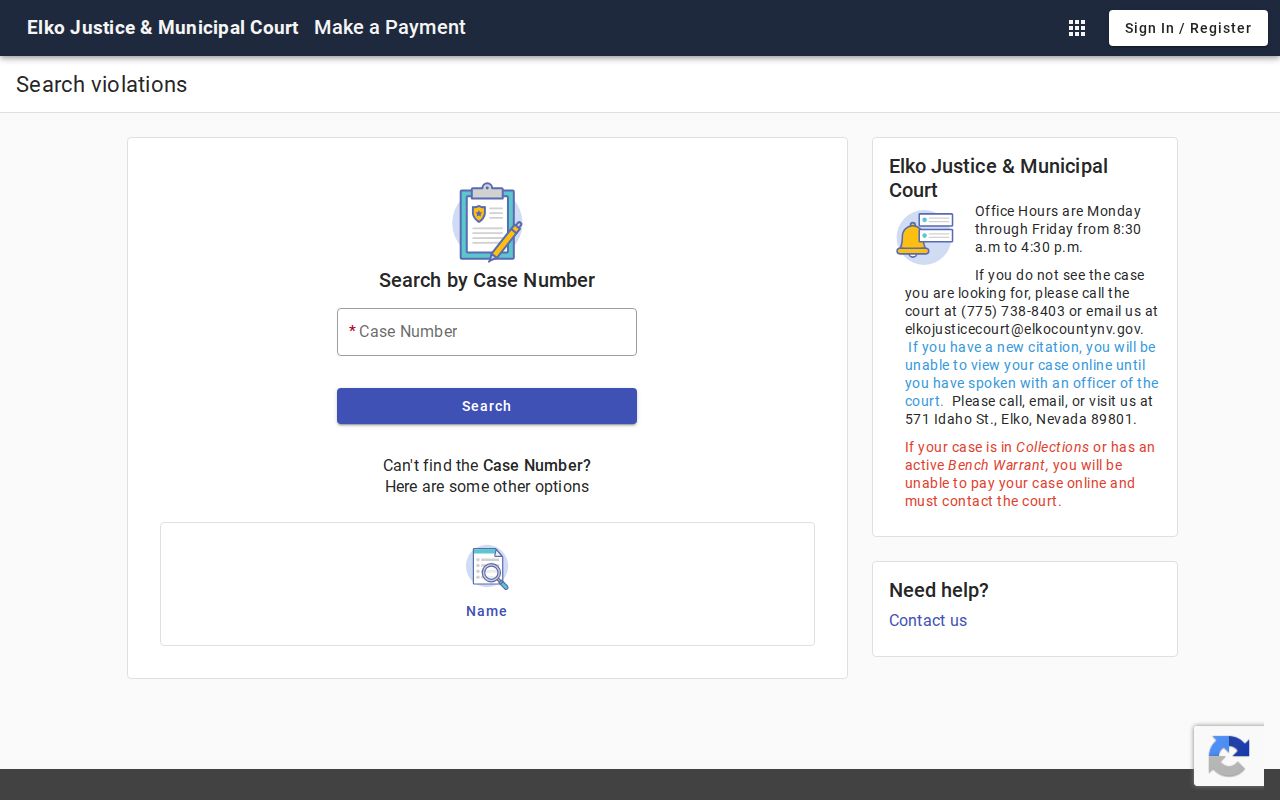
Use the displayed search modes to route a known case or confirm the court's next contact step, not to make a name-only identification.
The ACIS access page was also captured with its JavaScript-only behavior visible.
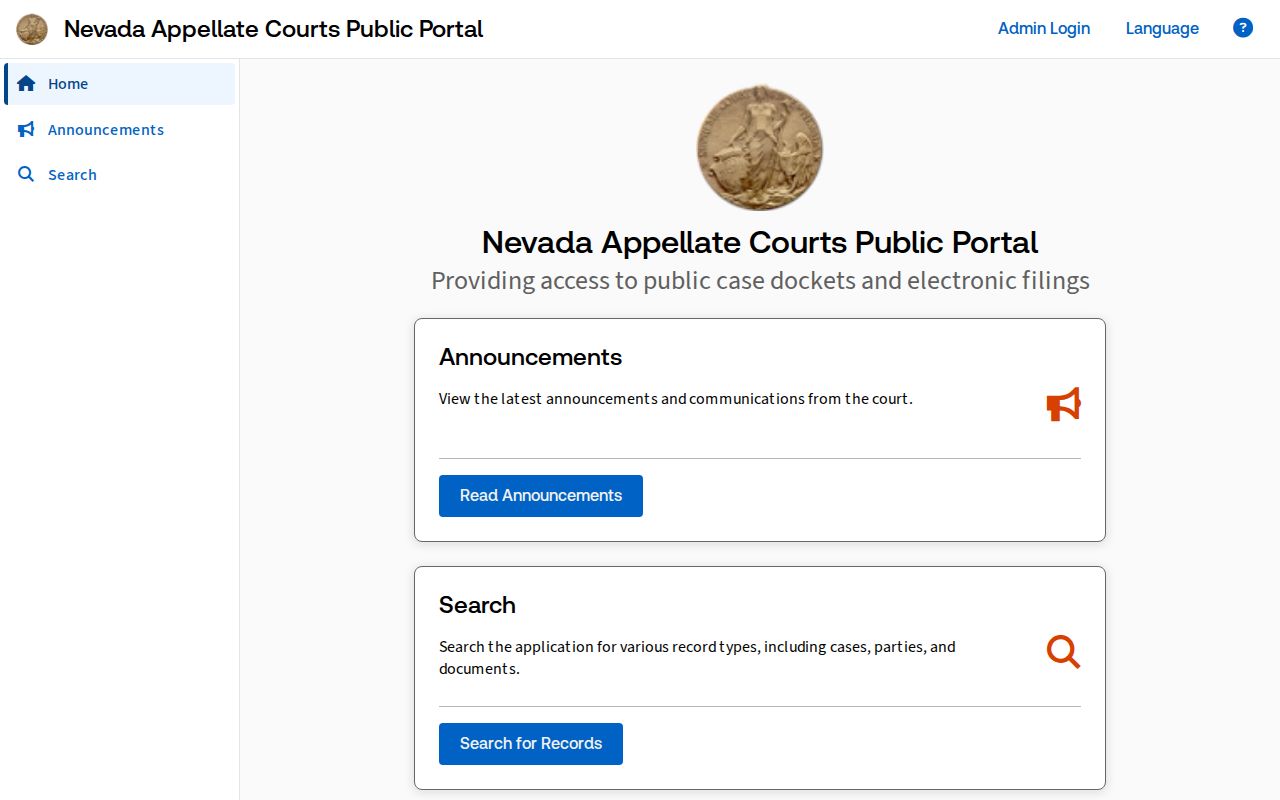
When ACIS does not expose usable fields, the practical fallback is a narrowly described public docket request to the relevant Clerk.
Elko Voter Routes for Names
The Nevada voter lookup is an official registration route, yet anti-bot and JavaScript controls prevented a reliable field capture during research. It should be retried directly when the portal is accessible. For a county, precinct, or district list, NRS 293.440 allows a request through the Elko County Clerk at one cent per name. The Clerk's July 2024 fee sheet also lists five dollars for a CD or USB, plus the per-name amount. Confirm those dated charges before ordering.
NRS 293.558 protects Social Security numbers, driver-license or ID numbers, and voter email. A voter may request that address and phone information be withheld. NRS 293.486 describes actual residence as a street address or, if there is none, a location description. That rule helps explain why a rural record may not look like a postal mailing line. The Clerk is the proper fallback for an existing list, not a request to create a new person profile.
The Nevada voter-list statute page captures the access and withholding framework used for an Elko resident lookup.
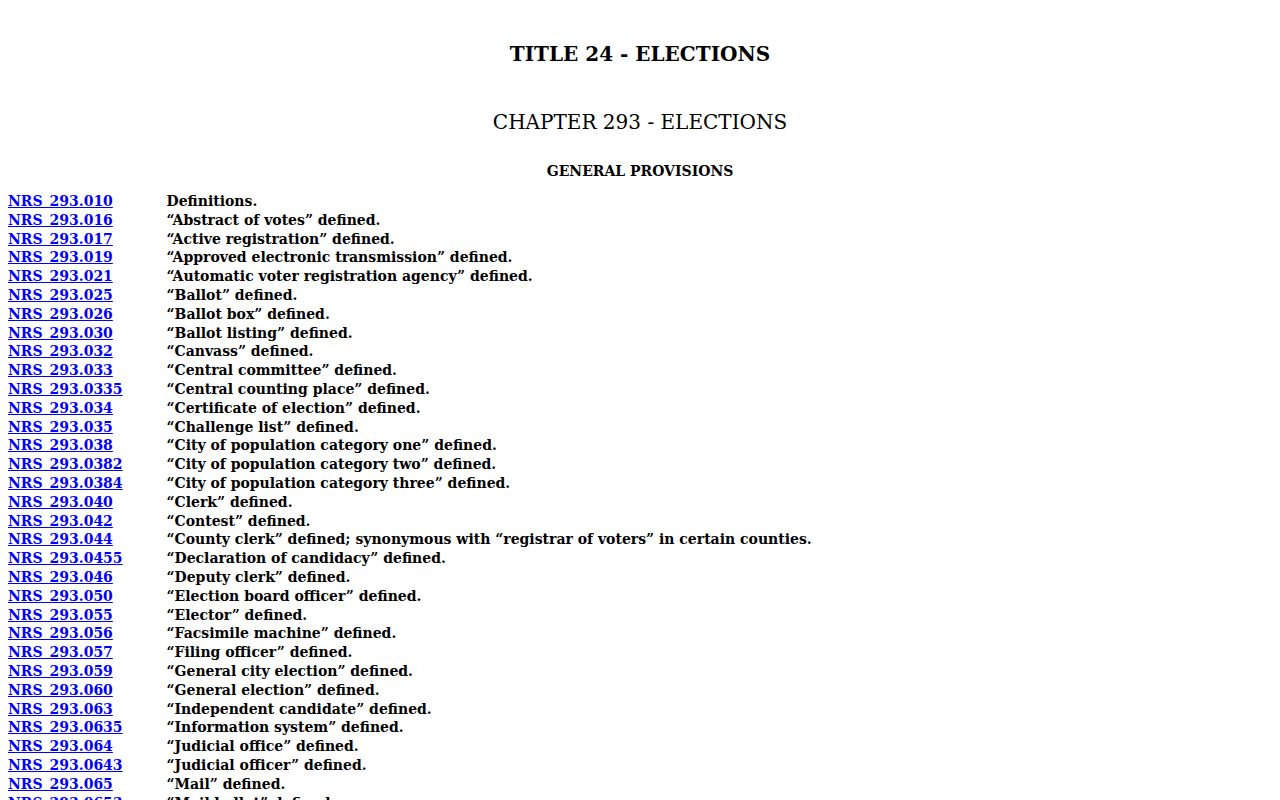
The statutory route makes the limits part of the search, especially when a field is withheld or the online tool cannot be reached.
Elko Vital Records by Date
Vital records are not an open-name directory. Nevada holds birth and death certificates from July 1, 1911 forward. Birth records remain confidential for 125 years and death records for 50 years, with qualified-person rules before the applicable record opens. For older Elko county-held material, begin with the Recorder. For a later event, the Nevada Office of Vital Records sets the certificate and verification process.
The official birth or death verification form asks for the subject's name, date and county, parent names, pre-marriage surnames when applicable, relationship, reason, contact details, and payment. Its stated fee is ten dollars for each verification or search, even if no record is found. The product verifies a record under the rules. It is not a substitute for a certified certificate or an unrestricted index. Marriage copies route first to the Elko County Recorder when the license was purchased there, and divorce copies go to the Clerk where granted.
The state Vital Records service sets out the custody and eligibility path pictured here.
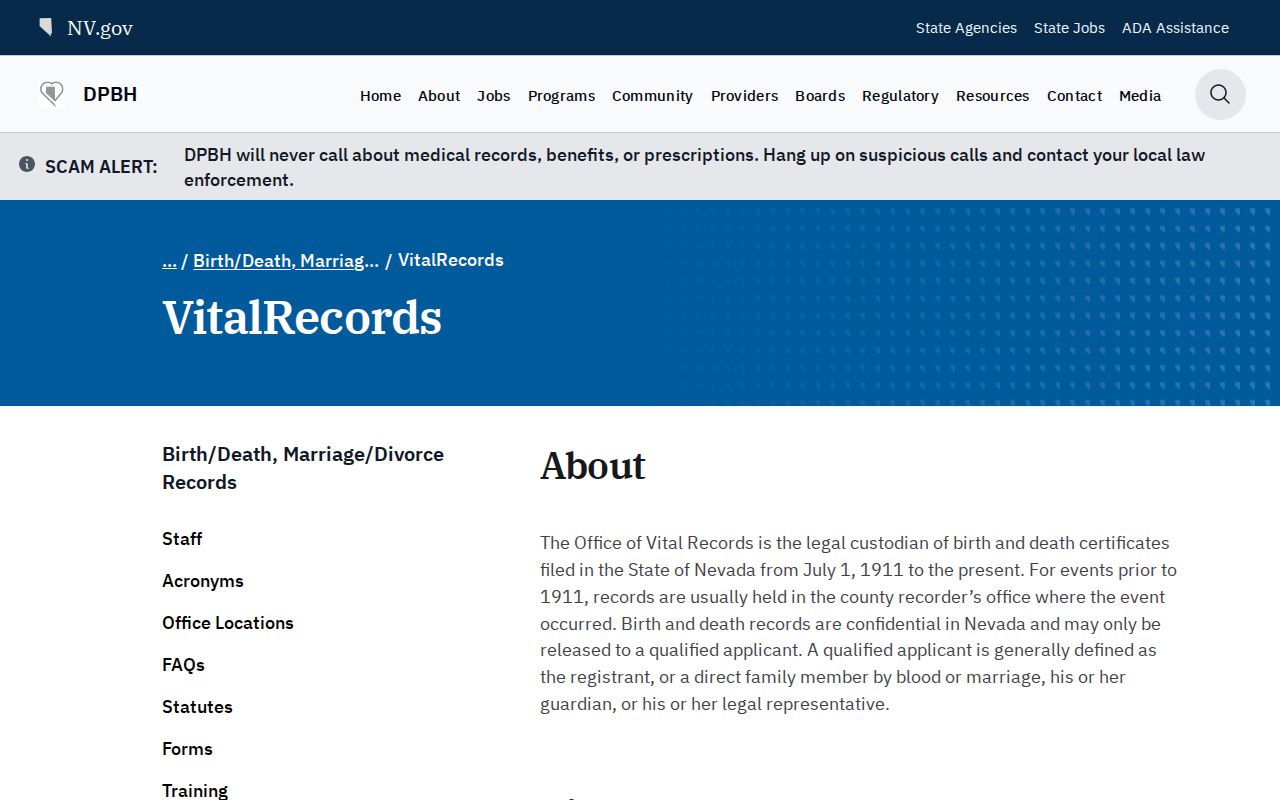
The 125-year and 50-year thresholds are the key numerical limit in this part of an Elko resident lookup.
Elko Clerk Route for Resident Records
When the sought record is not in a public portal, use the Elko County Clerk or the documented custodian. The Clerk handles marriage licenses, elections, fictitious firm names, boards and commissions, and public-record request intake. The county request form works best when it names an existing record series, date range, custodian, format, and acceptable redaction. It can be submitted online, by fax, mail, or hand delivery. It also offers paper, electronic, certified, and in-person inspection choices.
Nevada Public Records Act procedures are in NRS Chapter 239. Under NRS 239.0107, an agency generally has a five-business-day framework to provide a record, provide a date or estimate, request clarification, identify the custodian, or cite a denial basis. That is a response framework, not a promise that an extensive record will arrive in five days. The county form says an estimate is provided when cost exceeds twenty-five dollars. Ask for the actual record, not for staff to infer identity or compile a new list.
The Nevada Public Records Act is the official source for the request framework.
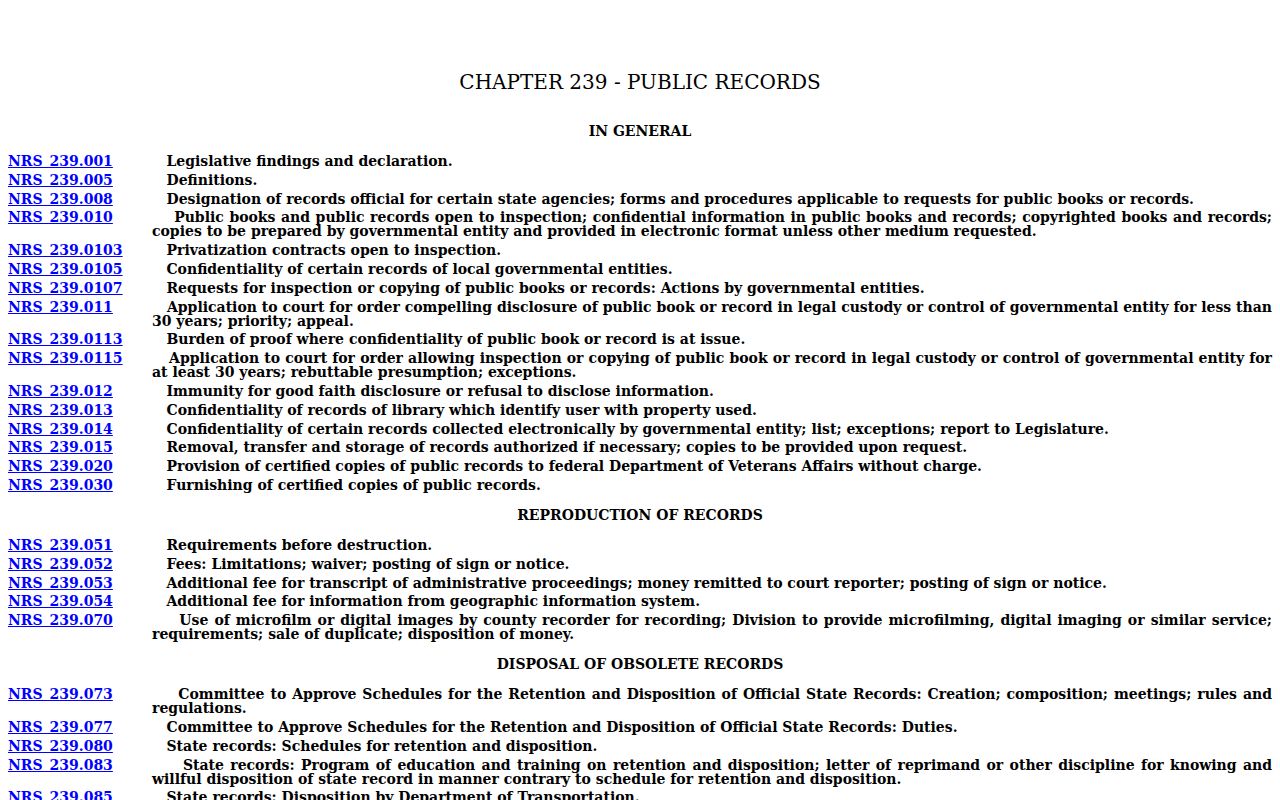
A precise request leaves a clearer record trail than a broad question about a person's identity.
Elko License Results Require Limits
Professional and business records can corroborate an official role, but they do not prove a home address. The Nevada boards directory is the starting point for licensing boards. The Contractors Board search exposes county and classification controls, though its dynamic option values were not fully captured. Preserve the license or entity name exactly, the displayed status, source, and retrieval date. Treat registered agent, officer, applicant, licensee, and business contact as separate roles.
For an entity question, the official Secretary of State search and County Clerk fictitious-firm-name records can supply a filing trail. An entity address may be a registered or business address. It should not be merged into an Elko resident lookup without independent parcel, dated address, or other compatible evidence.
The state license-board directory is shown in the captured reference image.
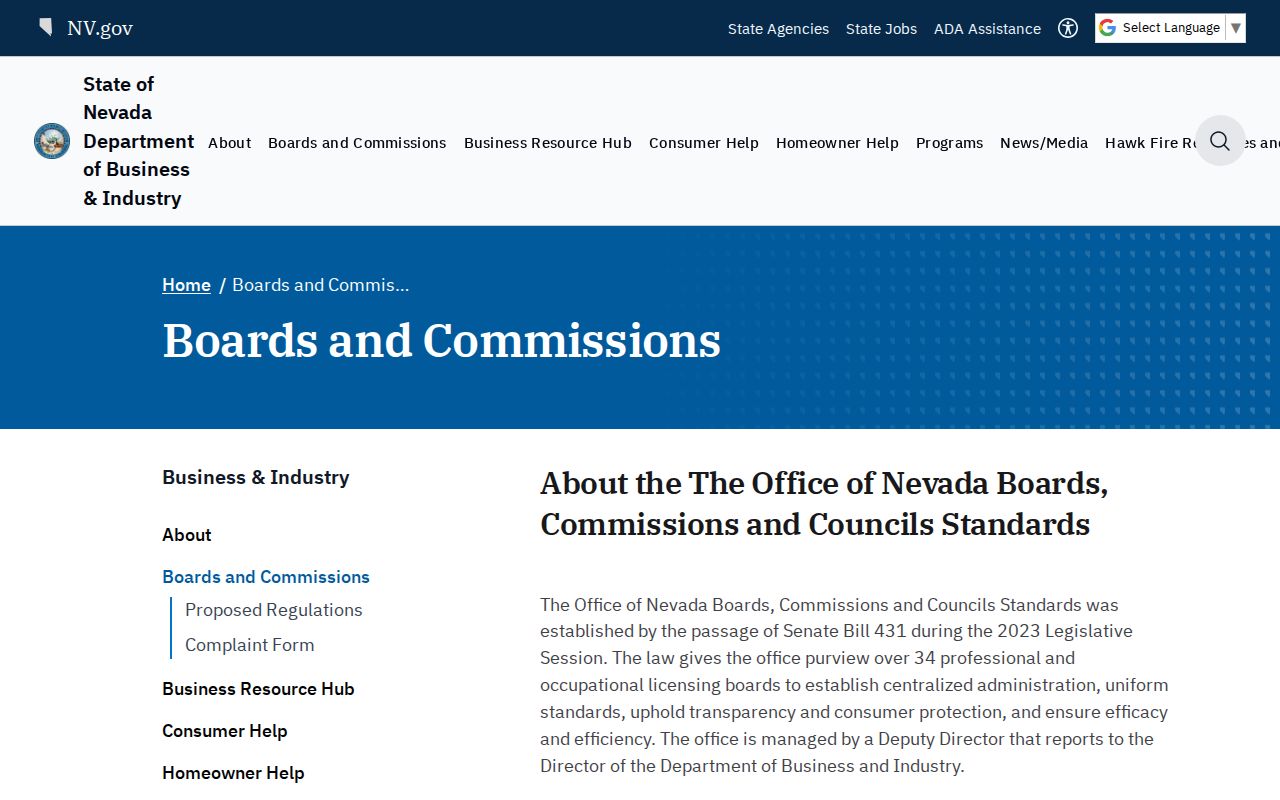
Use a license result to confirm the published credential, then seek a separate record for any residence-related conclusion.
Verify an Elko Resident Lookup
A careful Elko resident lookup records what each source can prove and stops when the anchors no longer align. Begin with a name plus one concrete item. Then work from a current or historic address, APN, instrument number, or case number. Do not rely on a name-only court result, an unverified address line, or a blank portal. The order below keeps custody clear and creates a checkable trail.
- Search the Recorder for the exact name and variants, then save relevant instrument number, recording date, role, APN, and legal description.
- Use the Assessor search to test the APN, owner or location against the recorded instrument. Record whether the address is situs or mailing when that field is shown.
- Use the voter portal or a Clerk route only for permitted registration information. Keep a withheld or blocked result as a limitation.
- For a known court or vital event, use the case number or qualified request path and confirm what public portion, if any, is available.
- Retain query spelling, filters, date, source URL, result count, and a confidence note before linking records to the same person.
- Docket
- A court's running case record, usually showing case events and dates rather than a conclusion about every allegation.
- Index and image
- An index lists searchable record fields. An image is the scanned or viewable document, and each can have different access limits.
- Certified copy
- A custodian-issued copy with official certification. It is different from a portal printout or a search hit.
Elko Resident Lookup Privacy Limits
Nevada law restricts fields and record types even when a person can be found in another public source. NRS 293.558 permits voter-address and phone withholding and protects other voter fields. The Nevada Confidential Address Program in NRS 217.462 through 217.471 provides a fictitious-address and mail-forwarding route for eligible participants. Recorder confidentiality provisions in NRS 247.530 through 247.560 can protect personal information in recorded documents. Court, juvenile, expunged, and protected-party files may be sealed or redacted.
Do not try to reverse a fictitious address, fill in a redaction, or treat an absence as a negative fact. Nevada's stalking and harassment laws are a firm boundary. The Confidential Address Program statutes explain why a missing address may be intentional rather than a research failure.